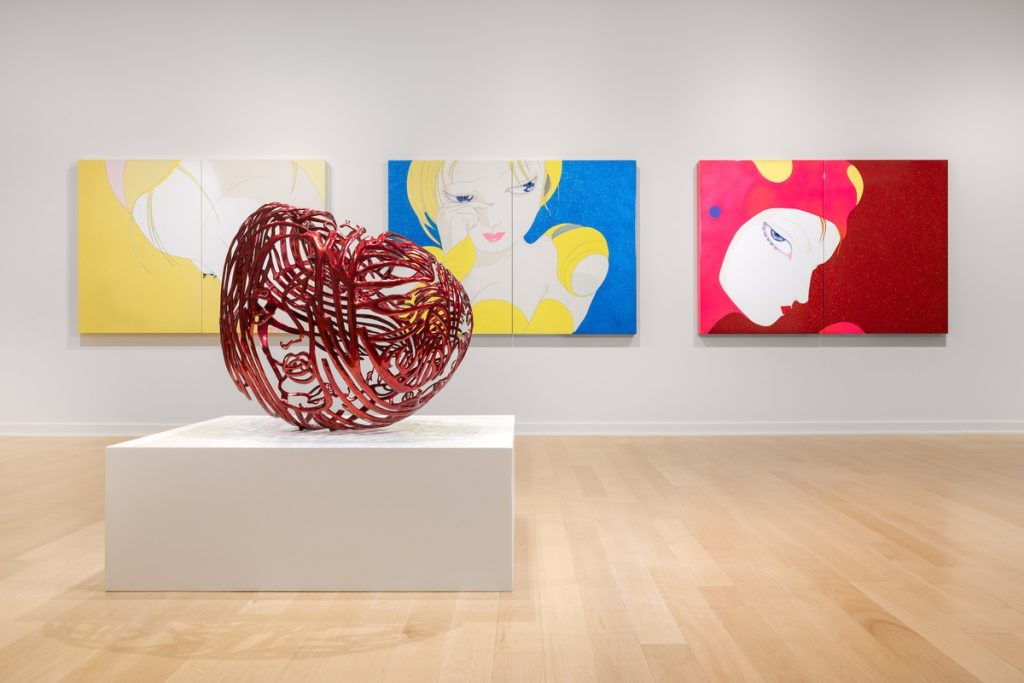
Contemporary art is a reflection of our world today – fast-paced, diverse, and constantly evolving. The term “contemporary art” loosely refers to art created in the present day or in recent years, encompassing a wide range of mediums, styles, and subjects. From paintings and sculptures to installations and digital art, contemporary artists push the boundaries of traditional artistic practices and challenge viewers to think critically about society, culture, and identity.
With the rise of globalization and technology, contemporary art has become more accessible than ever before. Artists from different backgrounds and cultures are able to share their work with a global audience, sparking important conversations and fostering new perspectives. As we navigate the complexities of the modern world, contemporary art serves as a powerful tool for self-expression, social commentary, and collective reflection.
Exploring Diverse Perspectives Through Contemporary Art
Contemporary art provides a platform for artists to explore and express diverse perspectives on society, culture, and the human experience. Through their creations, artists tackle complex issues such as politics, gender, race, and identity, inviting viewers to engage in critical dialogue and reflection. The fluidity and inclusivity of contemporary art allow for a range of voices to be heard and amplified, challenging dominant narratives and expanding our understanding of the world we live in. By embracing experimentation and innovation, contemporary artists inspire us to question existing norms and envision new possibilities for the future. Additionally, platforms like Art History Wiki play a crucial role in documenting and preserving the diverse expressions of contemporary art, ensuring its legacy for generations to come.
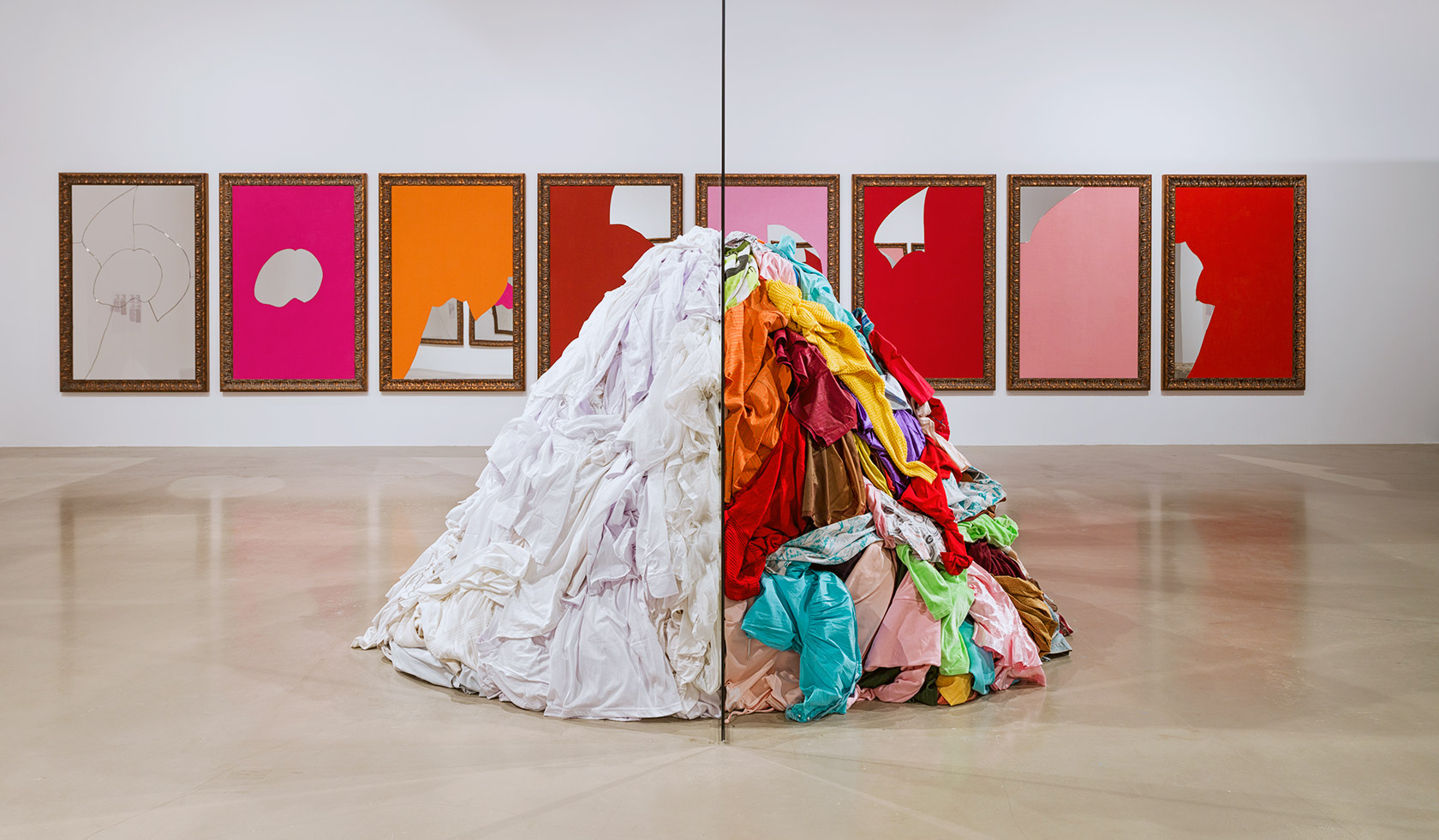
The Evolution of Contemporary Art in the Digital Age
In an era defined by technological advancements and rapid communication, contemporary art has adapted and evolved to embrace digital mediums and virtual spaces. Artists now have the ability to create immersive installations, interactive experiences, and multimedia works that blur the lines between physical and digital realms. The accessibility of the internet allows for global collaboration and exchange, enabling artists to reach audiences worldwide and engage in cross-cultural dialogues. As we navigate this digital landscape, platforms like Art History Wiki serve as valuable resources for understanding the evolving landscape of contemporary art and its impact on society. By exploring the intersection of art, technology, and culture, contemporary artists continue to push boundaries and shape the future of artistic expression.
In conclusion, contemporary art serves as a mirror reflecting the complexities and diversity of our world. Through experimentation, innovation, and inclusivity, artists challenge existing norms and push boundaries to create thought-provoking work that sparks important conversations and expands our understanding of society. The evolution of contemporary art in the digital age has opened up new possibilities for global collaboration and dialogue, allowing artists to reach audiences worldwide and shape the future of artistic expression. As we continue to explore diverse perspectives through contemporary art, we are reminded of the power of creativity to inspire change, foster empathy, and connect us in ways that transcend boundaries and limitations. Through platforms like Art History Wiki, the legacy of contemporary art is preserved for future generations to appreciate and learn from.